



Black door hinges generally fall into three finish types: spray paint, powder coat over stamped zinc, and powder coat over a solid steel body. The type on your door determines whether it still looks black in two years, or starts showing bare metal at the knuckle first.
Before comparing finishes, it helps to know what you're actually looking at. A door hinge is a simple assembly, but each part plays a specific role in how long it holds up and how well it swings.
- Leaf (or wing): The flat plate that mounts to the door and the frame. It makes up most of the visible surface of the hinge.
- Knuckle: The interlocking cylindrical joints that connect the two leaves and let the door pivot.
- Pin: The rod that runs through the knuckles, holding the two leaves together while allowing rotation.
- Finial: The decorative cap at the top and bottom of the pin. Ball, steeple, and flat are the most common shapes.
- Mounting holes: The countersunk holes in each leaf where screws attach the hinge to the door and frame.

Why Most Black Hinges Fade at the Knuckle First
A hinge takes more physical stress than almost any other piece of door hardware. Every open and close flexes the same two points, the pin and the knuckle, thousands of times a year. Spray paint sits on top of the metal without bonding to it, so it's the first finish to chip once that flexing starts working the joint. Powder coat over stamped zinc lasts longer because the coating cures into a harder shell, but zinc itself is a soft, lightweight metal that can still flex slightly under a heavy door, and repeated flex eventually stresses the finish from underneath.

Ageless Iron's hinges are made of solid steel for long-lasting durability, then powder-coated matte black. Steel is the right substrate for a hinge specifically, since a hinge needs to flex without fatigue, and steel handles that better than the cast iron Ageless uses in its entry sets and levers. The finish is what needs to match across your hardware, not the base metal underneath it.
What to Look for in a Quality Black Door Hinge
Weight is the fastest test you can run without a spec sheet. A quality hinge feels solid and slightly heavy in the hand; a cheap stamped hinge feels tinny and thin, and that thinness is exactly what allows it to flex and eventually squeak or sag. Check the finish at the barrel and around the screw holes first, since that's where a thin coating shows wear before anywhere else on the hinge.
Exterior doors need a finish tested for weather, not just styled to match. A powder coat that hasn't been tested for UV and salt exposure can crack and fade within a season on a door that takes direct sun. Interior doors are more forgiving, but the same rule about substrate and finish quality still applies: a smooth, thin finish over lightweight metal is the shortest-lived option on the market. Browse the Hinges collection to compare finish and construction side by side.
Matching Hinges to the Rest of Your Black Hardware
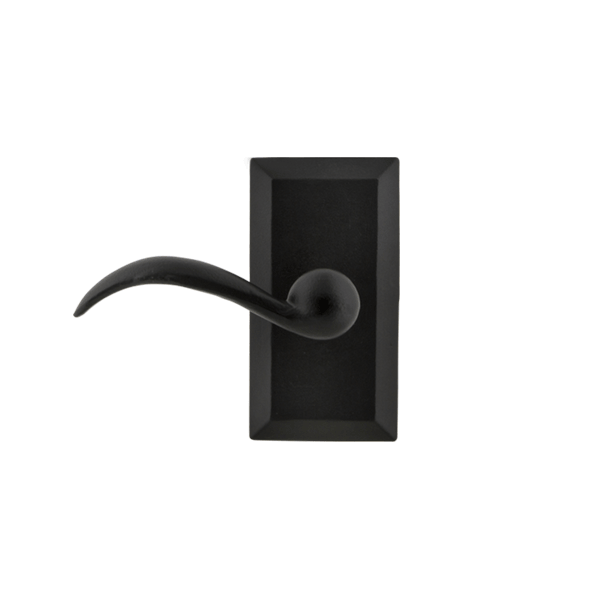
Hinges are the most commonly missed piece of a hardware upgrade, and also the most visible, since they move every time the door opens. A matte black lever or knob on a door with brushed nickel or oil-rubbed bronze hinges reads as unfinished, not as a deliberate choice. Matching finish across levers, knobs, deadbolts, and hinges is what makes a room read as one system instead of a collection of separate purchases.
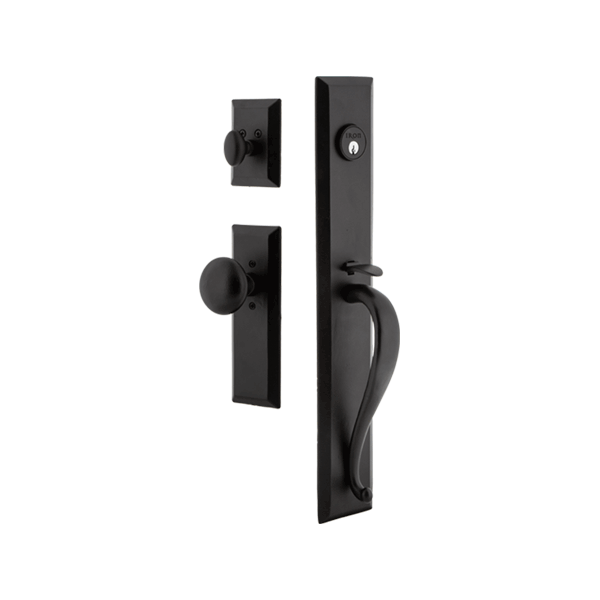
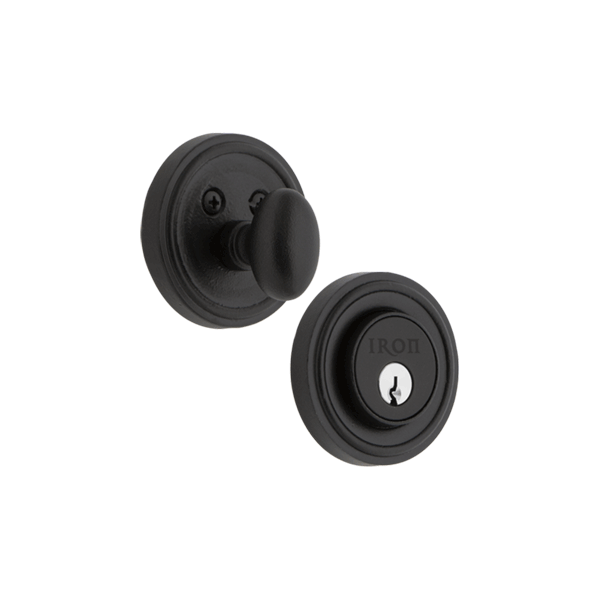
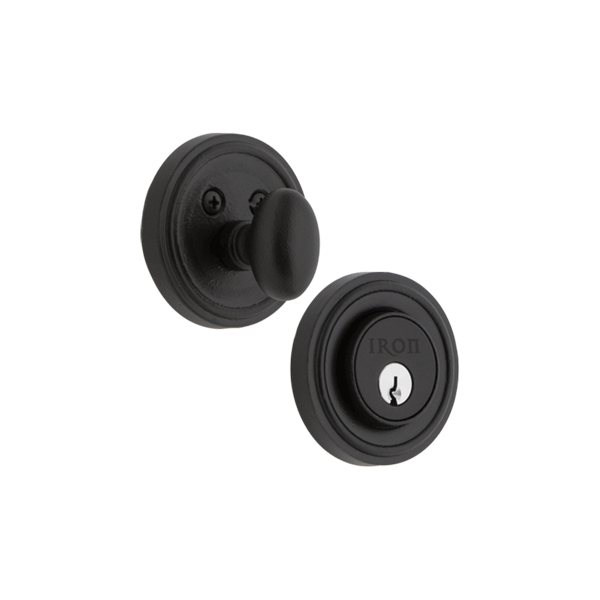
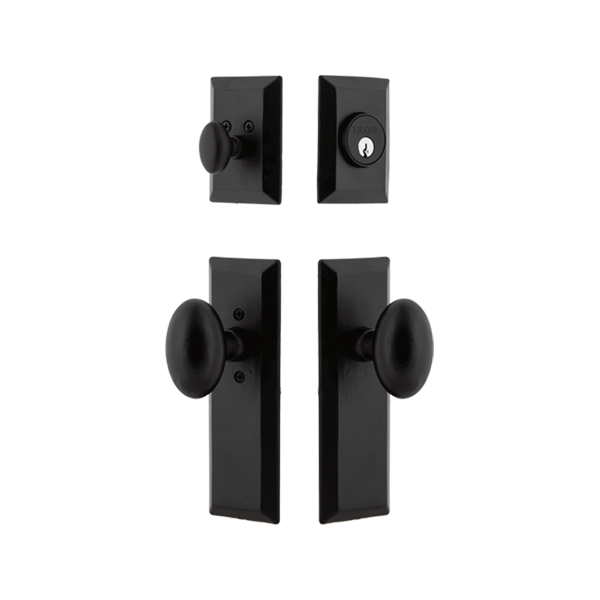
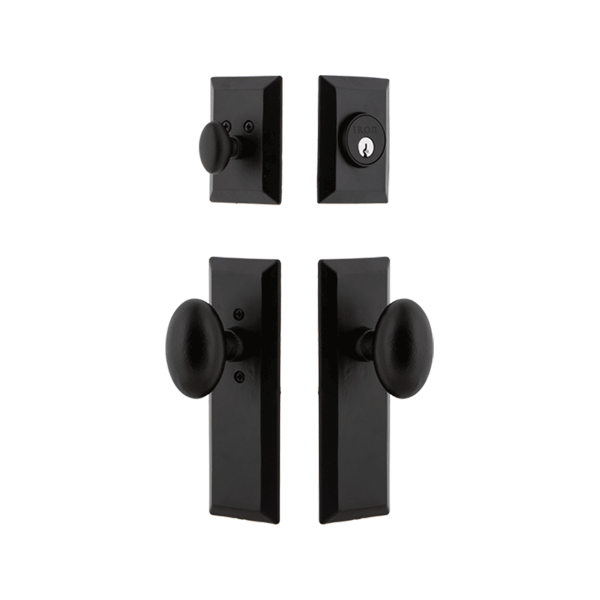
Ageless Iron carries hinges alongside entry sets and interior hardware in the same matte black finish, so a full renovation can utilize one brand and one finish code across every door in the house. Start with the entry set, then match interior doors, then finish with hinges and switch plates. See the full collection to plan a matched system room by room.

How to Take Care of Your Door Hinges
A hinge doesn't need much, but what it does need matters. Wipe down the leaves and knuckle with a damp microfiber cloth every few months to clear dust and grit before it works its way into the joint. Avoid all-purpose sprays and anything with ammonia or bleach, since both can dull or strip powder coat over time.
Lubrication keeps the pin turning smoothly and prevents squeaks. A dry silicone-based lubricant is the safer choice for a finished hinge. Petroleum-based options like WD-40 can attract dust and grime, which builds up at the knuckle and creates the same grit that wears a finish down faster. A few drops at the top of the pin, worked in by opening and closing the door a few times, is usually enough.
Check the mounting screws once or twice a year. A loose screw lets the hinge shift slightly under the door's weight, and that small amount of play is what eventually causes sagging or a scrape at the frame. Tighten as needed, and if a screw hole has stripped, a slightly longer screw into the same hole usually solves it without needing a new mortise.
If a hinge is squeaking even after cleaning and lubrication, that's usually a sign of wear rather than dirt, and worth checking against the signs in the FAQ section below.
FAQ
Do black door hinges scratch or chip easily?
Sprayed paint over stamped zinc is the finish most likely to chip, especially at the pin and knuckle where the hinge flexes every time the door opens. Powder coat over a solid steel body holds up longer because the base metal doesn't move under the finish the way lightweight stamped metal does.
What's the difference between powder-coated and painted black hinges?
Powder coating bonds an electrostatically charged powder to the metal and cures it under heat into a hard, even shell. Sprayed paint sits on the surface without that bond, so it wears through at contact points within a year or two on hinges used daily. The difference shows up in wear over time, but not when the hinge is new.
Can I mix hinge finishes with the rest of my door hardware?
You can, but matching finish across hinges, levers, and locksets reads as intentional, while mixing a matte black knob with brushed nickel or bronze hinges reads as an incomplete upgrade. If a full match isn't possible right away, start with the pieces visible from the same sightline, usually the entry door and the room just past it.
How do you clean black door hinges without damaging the finish?
A damp microfiber cloth handles routine dust and buildup on any powder-coated hinge. Avoid abrasive pads and solvent-based cleaners, since both can strip powder coat over time and expose the metal underneath.
How do I know I need to replace my door hinges?
Replace a hinge when the finish has worn through to bare metal at the knuckle, the door sags or scrapes the frame, or it squeaks even after cleaning and light lubrication. Visible rust or pitting near the pin is also a sign the base metal itself is failing, not just the coating.
How hard is it to replace door hinges?
Replacing a hinge on an existing door is a straightforward swap for most homeowners, since the mortise (the recessed cutout in the door and frame) is already there and sized for the old hinge. Match the hinge dimensions exactly, including the screw hole pattern, and replace one hinge at a time so the door stays supported. If the mortise is damaged or you need a different hinge size, that's a job better suited to a contractor.
Build Your Matched Hardware System
Entry sets through hinges, one matte black finish across every piece in your home.
The Complete Black Iron Collection


