

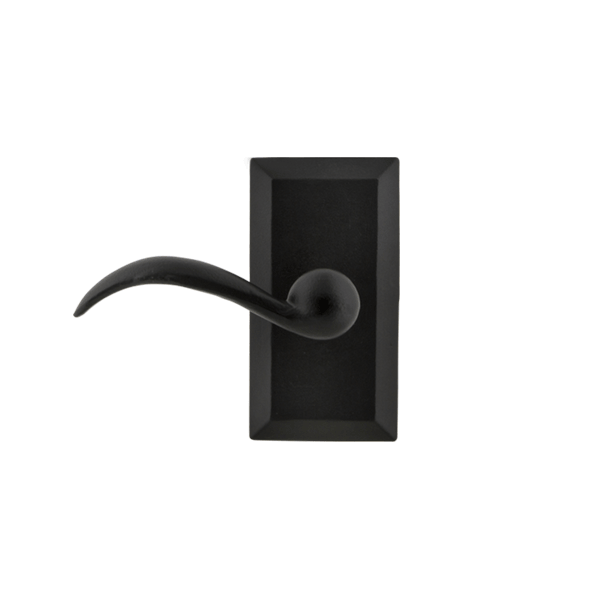
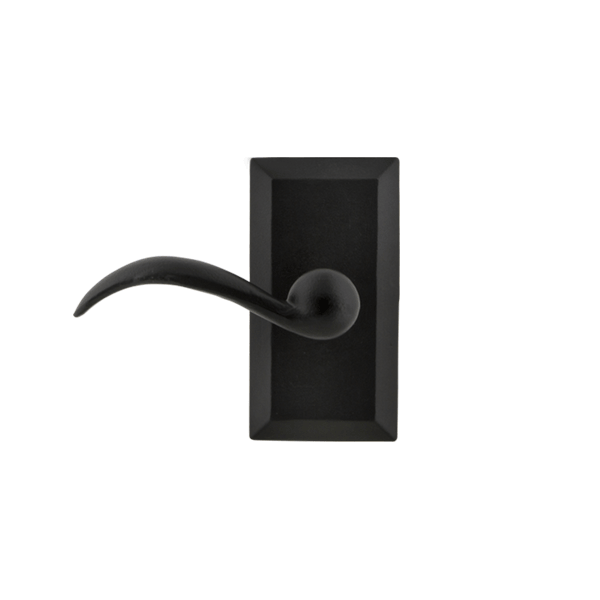


Organic modern design pairs clean, contemporary lines with raw natural materials, wood grain, honed stone, woven fiber, and matte black metal, instead of the glossy, uniform finishes that defined the last wave of minimalism. It's shaping up to be one of the biggest interior trends right now, and it changes what "the right hardware" means for a home: matte, textured, and substantial, not a smooth finish stretched over a lightweight substrate.
The name describes the balance the style is built on. "Organic" points to natural materials, imperfect textures, and forms borrowed from nature, while "modern" keeps the architecture and furniture in clean, uncluttered lines. It's largely a reaction to two extremes that came before it: the coldness of stark minimalism and the visual noise of heavy maximalism. Organic modern design aims for a home that feels calm and grounded without feeling sparse, which is why it leans on curves, natural edges, and materials that are allowed to show their own grain, weave, or texture instead of hiding it under a uniform finish.
Organic Modern vs. Modern Farmhouse: What's the Difference
Both styles start from the same instinct: warm up a clean, uncluttered structure with real materials instead of decoration. Where they split is texture and mood. Modern farmhouse leans utilitarian - shiplap, apron sinks, and sharper lines finished in heavier black steel. Organic modern softens that same structure with curves, honed stone, and materials that show natural variation instead of a uniform finish. Farmhouse reads as sturdy and functional first; organic modern reads as calm and tactile first.


Cast iron hardware works across both styles because material quality (weight, texture, density) matters more than any styling label. See our modern farmhouse hardware guide for that side of the comparison. Organic modern especially rewards the surface variation cast iron has naturally, since a hand-poured piece never looks perfectly uniform the way a die-cast zinc piece does.
Elements of Organic Modern Design
Color Palette
Organic modern lives in warm neutrals (cream, sand, oatmeal, warm gray), with the style's recent evolution shifting toward richer, moodier tones and stronger contrast instead of an all-beige room. Matte black is the go-to contrast color: hardware, lighting, and fixtures in a non-reflective black anchor a warm palette without introducing the cold, glossy look the style is built to move away from.
Natural Materials
Wood, stone, clay, wool, linen, and iron define the material list, and the common thread is that none of them are polished to a mirror finish. A honed stone counter reads calmer than a polished one. The same logic applies to hardware: a smooth, shiny finish reads as synthetic in an organic modern room, while a textured matte surface reads as material, not coating.

Hardware as Material Truth
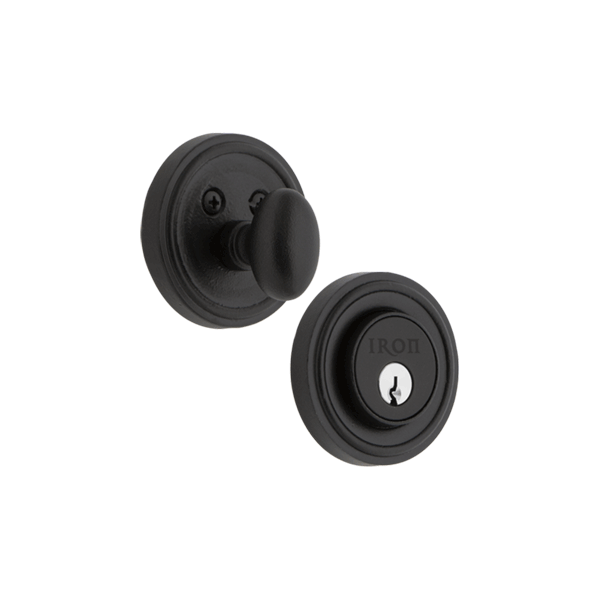
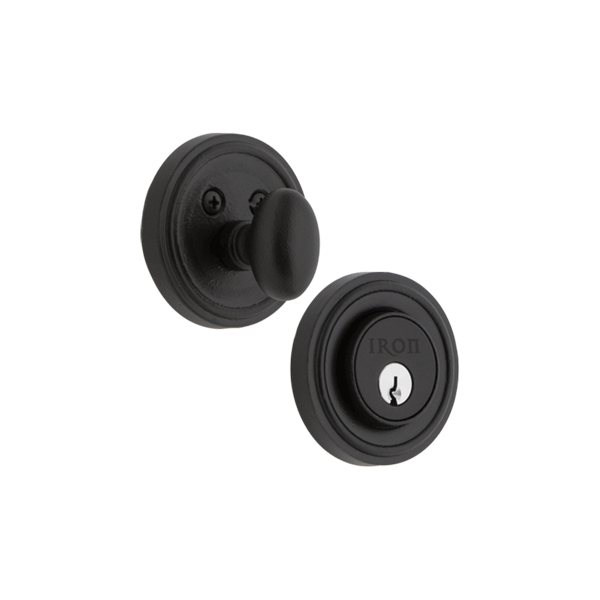
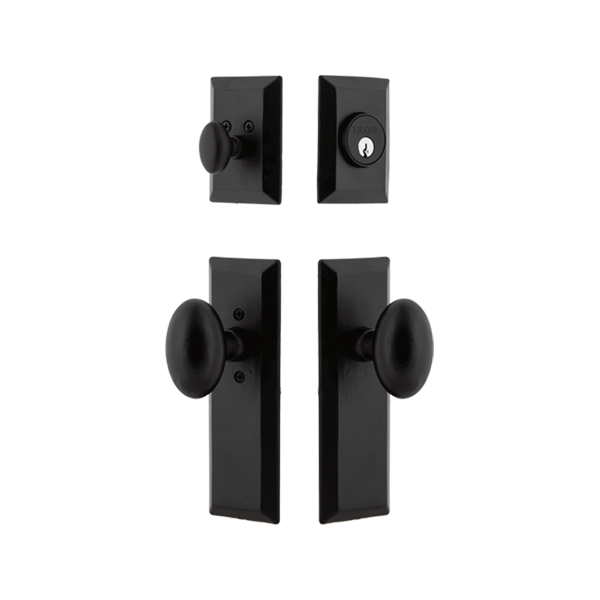
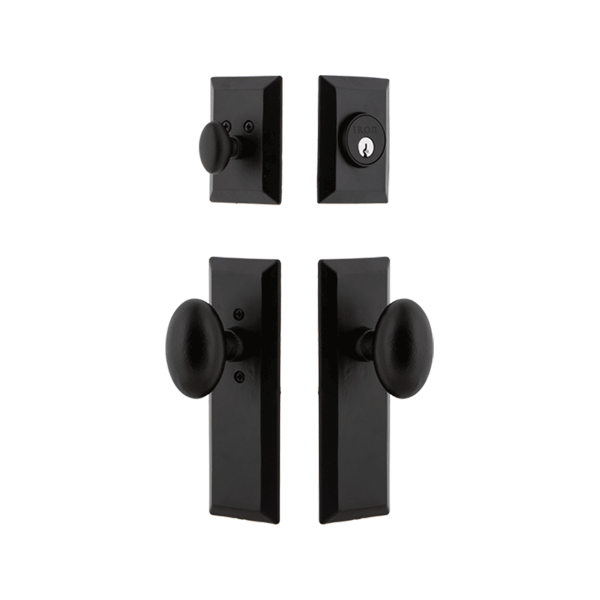
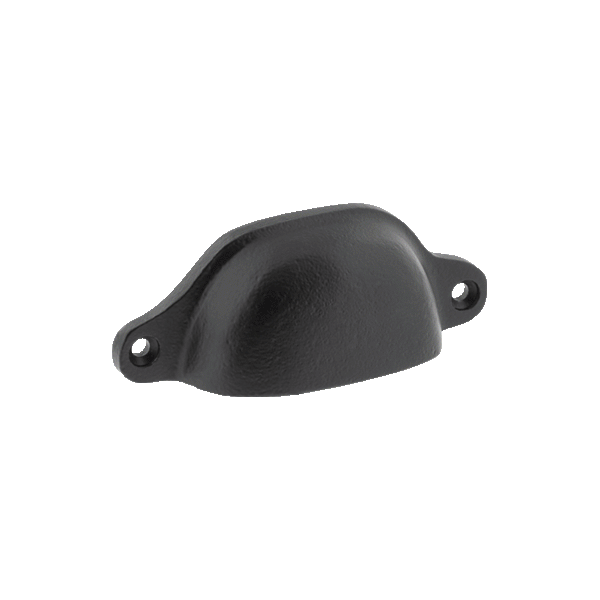
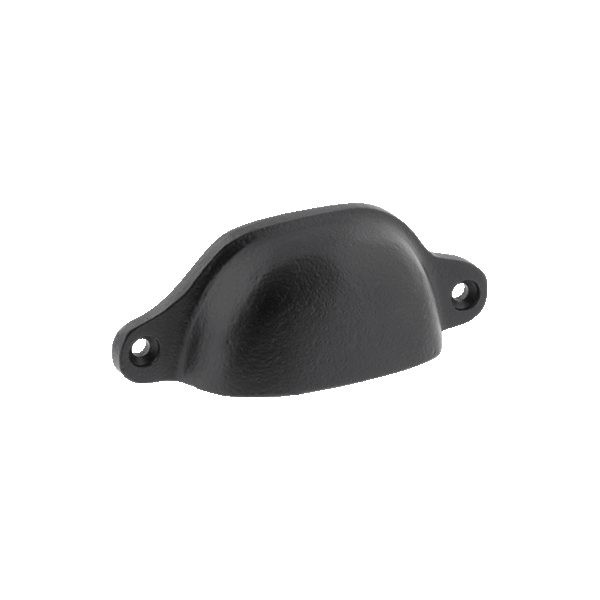
This is where most hardware fails the style. Powder coat over zinc alloy is smooth and uniform because zinc alloy is cast to be uniform, there's no grain, no texture, nothing for the eye to read as real. Ageless Iron starts with solid cast iron, sand blasted and deep cleaned, then zinc plated for corrosion resistance, then powder coated matte black, then tested in Florida for UV and salt resistance before it ships. That process leaves a textured surface with exactly the kind of natural variation organic modern design is built around

Organic Modern Outdoor Spaces
Organic modern doesn't stop at the back door. Outdoor rooms in this style use the same warm-neutral, natural-material language, wood decking, stone pavers, woven furniture, so exterior hardware has to hold up under real weather without breaking that material honesty. This is where thinner finishes show their limits fastest: painted aluminum chips at the edges, and coated zinc pits once the coating wears through, and both start looking synthetic the moment they're not perfect anymore. Cast iron's texture works in its favor here. A little wear reads as character on a textured surface instead of exposing bare metal underneath, so the hardware keeps the same organic, lived-in look outside that it has indoors.

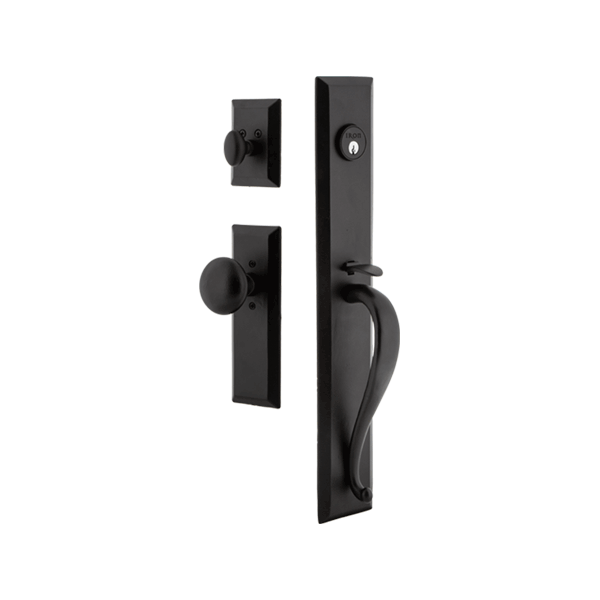
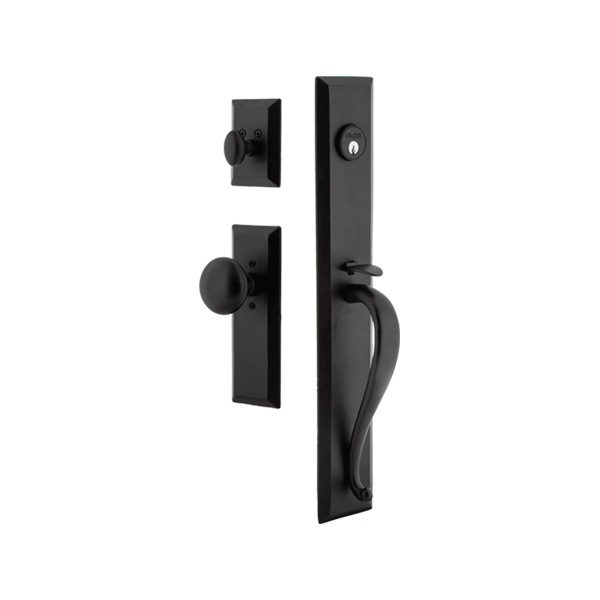
A front door handleset, exterior hinges, and even the switch plates and outlet covers by the patio door can all carry the same matte black cast iron finish. See the Entry Sets collection. That consistency matters more in organic modern homes than in most styles, because open sightlines between indoor and outdoor living space put hardware from both sides in the same view at once.
The Cohesive Look: Match Everything
Organic modern design is deliberately restrained, which means every visible material choice carries more weight. A matte black lever on an entry door next to a builder-grade brushed nickel deadbolt reads as unfinished, not curated. Ageless Iron offers entry sets, interior hardware, hinges, cabinet hardware, and switch plates and outlet covers in one matched cast iron finish, so a whole home indoors and out stays on one brand, one finish code, zero mismatches. See the full collection →
FAQ
What defines organic modern design?
Organic modern design combines clean, contemporary architectural lines with raw natural materials, wood, stone, linen, clay, and iron, in a warm neutral palette. The defining test is texture: materials with natural variation and a matte, non-reflective surface fit the style, while glossy, synthetic, or uniform finishes work against it.
Is organic modern the same as Scandinavian design?
No. Scandinavian design tends toward cooler tones, lighter woods, and a more structured, pared-back look. Organic modern uses warmer tones, more curves, and richer texture, and it leans into visible material variation rather than uniform surfaces.
What hardware finish works best for organic modern homes?
Matte black on a textured substrate, like powder-coated cast iron, fits the style's preference for material honesty over shine. Polished chrome, brass, or nickel read as too reflective for a style built around natural, non-glossy surfaces.
Does organic modern hardware need to hold up outdoors?
Yes, especially since organic modern design often blurs the line between indoor and outdoor living space. Exterior hardware in this style should be tested for weather resistance, not just styled to match, since a finish that fades or chalks outdoors breaks the material honesty the style depends on.
What's the easiest way to start bringing organic modern style into a home?
Hardware and lighting are the fastest, least disruptive place to start, since they touch every room without requiring a renovation. Swapping polished or dated finishes for matte black on door hardware, cabinet hardware, and switch plates shifts a room toward organic modern immediately, and it's a change most homeowners can make in an afternoon.
The Complete Black Iron Collection
Entry sets through switch plates, one matte black cast iron finish, indoors and out.
Shop the Full Collection →


