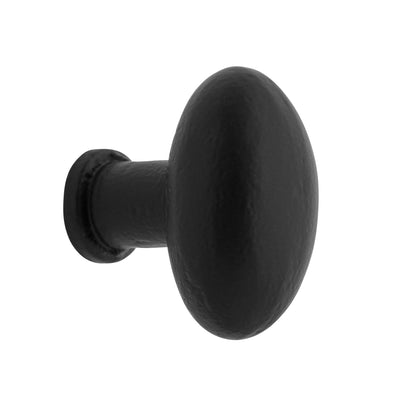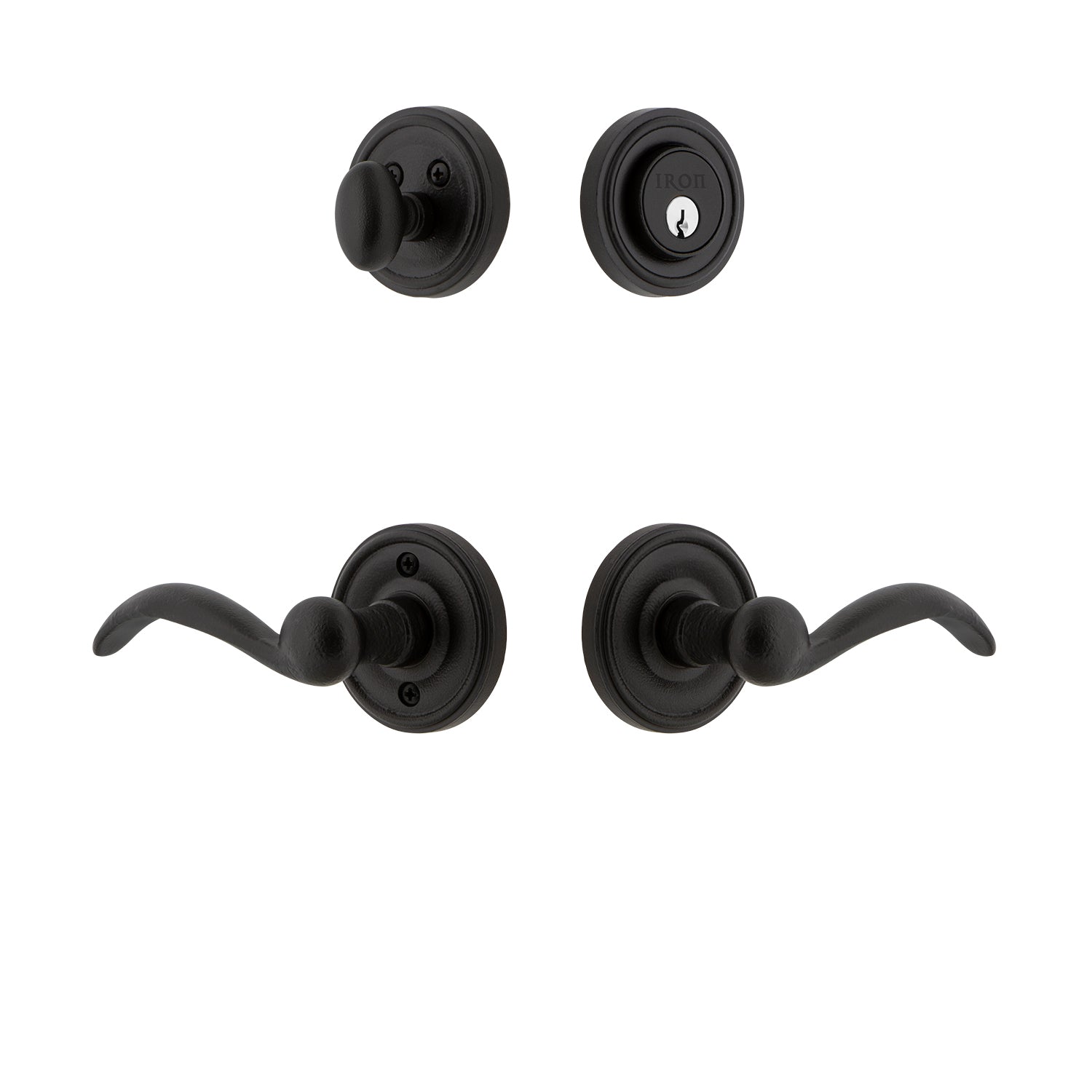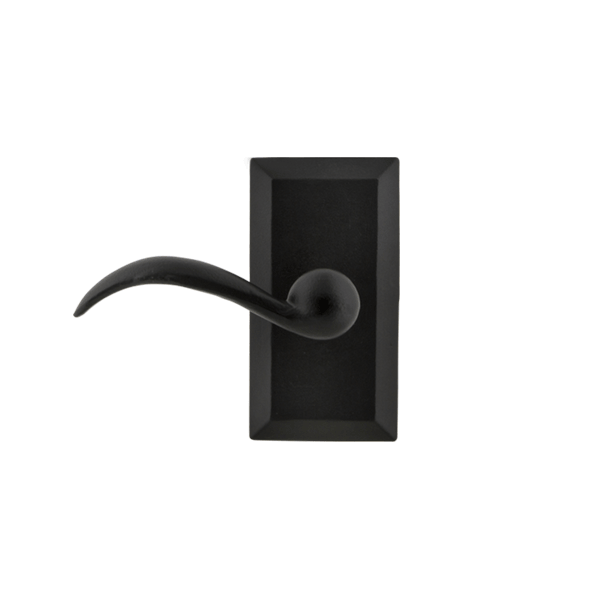
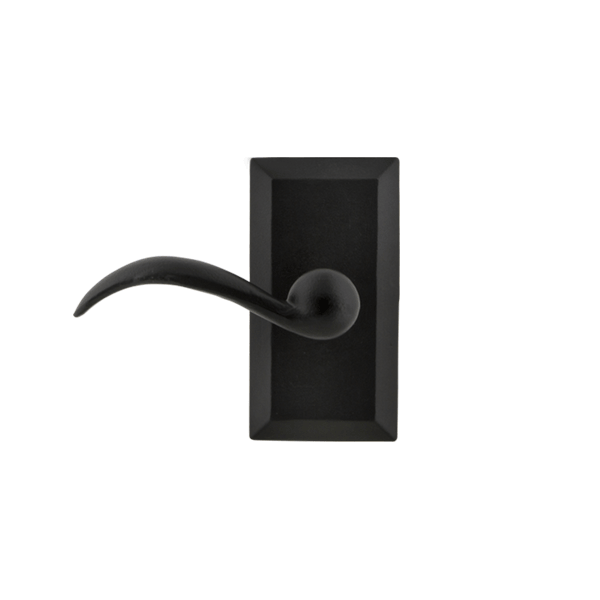


When selecting door hardware, the material and finish you choose impact not only the aesthetics but also the durability and longevity of your hardware. With so many options available, it’s essential to understand the benefits and drawbacks of different materials. Here’s a breakdown of popular door hardware materials and finishes, highlighting what makes Ageless Iron’s cast iron a lasting and worthwhile choice.
Density, substrate quality, and finish application method determine how hardware performs over years of daily use — and whether a refinish or full replacement is in your future.
Hollow Metal and Budget Hardware: The Downside of Cheap Materials
Many mass-produced, budget-friendly door knobs—often the ones that come standard in new homes or are sold in big-box stores—are made from lightweight materials such as thin stamped steel or hollow zinc alloy.
While these budget options may seem appealing initially, they often don’t stand the test of time. The difference is noticeable—lightweight knobs feel hollow and lack the sturdiness that high-quality materials like solid brass, stainless steel, or cast iron have to offer. Over time, these cheaper materials can wear out, leading to a frustrating cycle of replacing hardware that doesn’t hold up.
Budget hardware is also a poor choice for exterior doors, high-traffic entries, and renovation projects where the hardware is meant to last the life of the home. Replacing a $20 knob twice is more expensive — and more disruptive — than buying the right material once.

Zinc Alloy: Affordable but Less Durable
-
Pros:
- Cost-effective and widely available.
- Can be molded into various shapes and designs.
-
Cons:
- While durable, zinc is not as strong as brass or cast iron, especially for heavy-duty doors or high-traffic areas.
- While zinc is rustproof, it can corrode over time, especially in harsh environments.
- Lacks the heft and strength of solid metals.
- No true polished brass or unlacquered finishes.
- Smooth powder coat over zinc alloy is the most vulnerable finish type — scratches expose silver metal underneath, which reads clearly against a matte black finish.
Aluminum Alloy: Lightweight and Corrosion-Resistant
-
Pros:
- Naturally resistant to corrosion.
- Lightweight and easy to install.
- Can be finished in various colors and styles.
-
Cons:
- Less durable than brass, steel, or cast iron.
- Can feel less substantial due to its lightweight nature.
- A handle that is too light can affect its ease of operation.
- Prone to dents and scratches over time.
Built to Last: The Best Metals for Door Hardware
When selecting door hardware, the material you choose impacts more than just aesthetics—it determines longevity, strength, and overall performance. High-quality metals offer durability and a timeless feel, while lower-quality options may wear out quickly. Below, we explore three of the most reliable materials for door hardware: stainless steel, solid brass, and cast iron.
Stainless Steel: Modern and Low Maintenance
-
Pros:
- Is a non-porous material, making it easy to clean and maintain, and less likely to harbor bacteria.
- Known for its strength and resistance to wear and tear, making it a long-lasting option for door hardware.
-
Cons:
- Can show fingerprints and smudges easily.
- Not as heavy or solid-feeling as brass or cast iron.
- The quality and rust resistance of stainless steel can vary depending on the grade.
- Risk of galvanic corrosion when combined with other metals in a door handle.
- Grade 304 is the minimum for exterior hardware. Grade 316 (marine grade) is recommended for coastal environments. Most retail stainless hardware does not specify grade.
Solid Brass: Classic and Durable
-
Pros:
- Highly durable and resistant to corrosion.
- Unlacquered versions develop a rich patina over time, adding character.
- Heavy, giving a high-end feel and solid operation.
- Being a copper alloy, has natural antimicrobial properties that can help prevent the spread of bacteria and germs. This only applies when it is unlacquered.
- Relatively easy to clean and maintain, requiring only occasional wiping with a soft cloth.
-
Cons:
- More expensive than other materials.
- It requires regular polishing to maintain its luster when unlacquered. (When lacquered, it only requires wiping with a soft, wet cloth)
- Some finishes may tarnish or discolor over time when unlacquered. (When lacquered, this is not an issue.)
- Can be recycled indefinitely.

Cast Iron: Strength and Timeless Appeal

-
Pros:
- Known for its robustness and resistance to wear and tear, meaning it can withstand heavy use and harsh conditions without losing its integrity.
- Cast iron handles are designed to last for many years, making them a reliable and cost-effective option in the long run.
- Cast iron is relatively easy to clean and maintain, requiring only occasional wiping with a soft cloth and mild soap.
- Perfect for traditional, farmhouse, or industrial interiors.
- Cast iron is a fire-resistant material, which can help protect doors and the surrounding area in case of a fire.
-
Cons:
- Requires proper finishing to prevent rusting. (Ageless Iron’s door knobs are zinc plated prior to powder coating to prevent rust.)
- Heavier than other materials, requiring sturdy installation.

Ageless Iron Cast Iron: Strength Meets Timeless Design
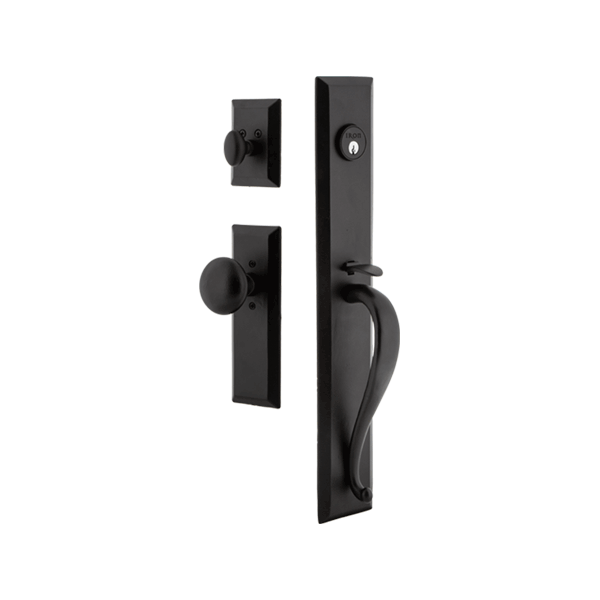
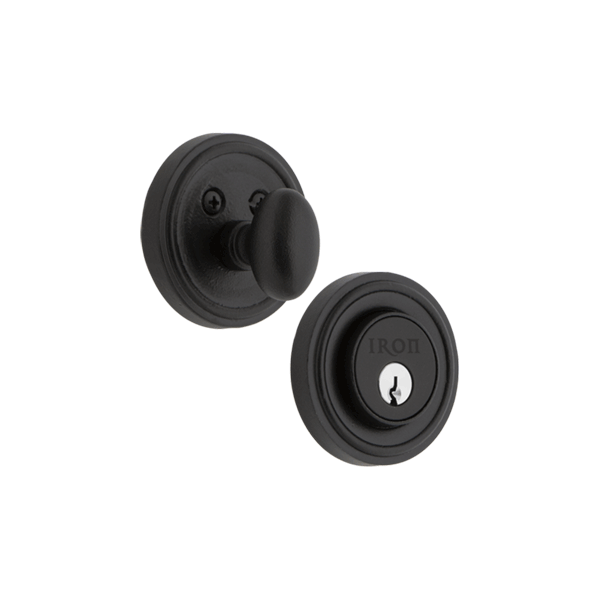
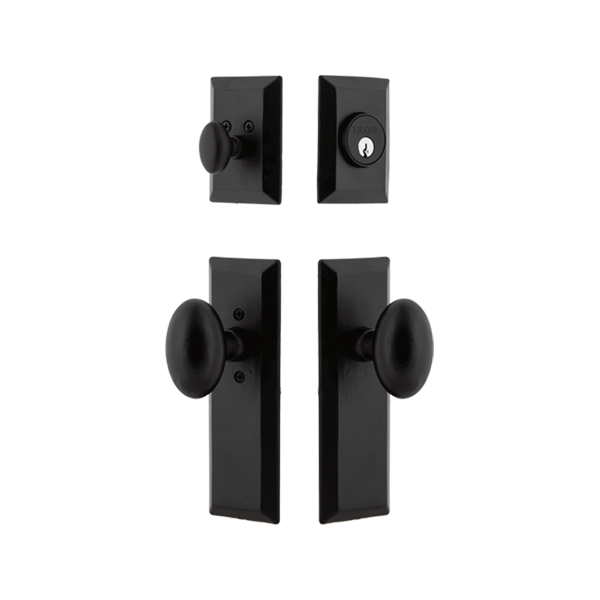
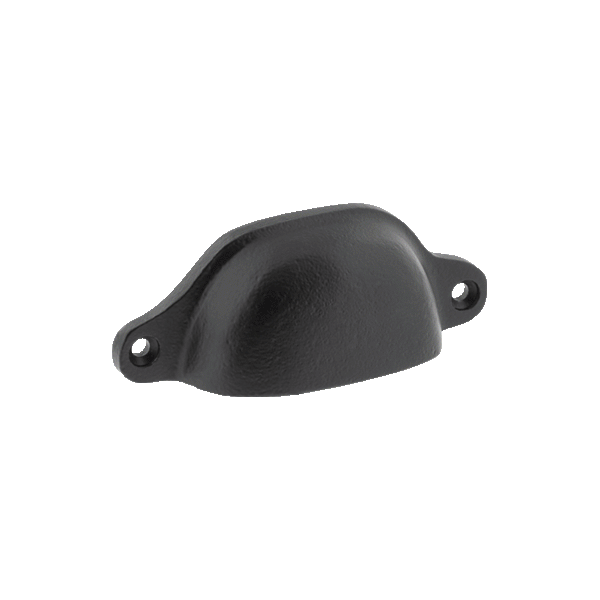
At Ageless Iron, we craft our hardware from hand-poured molten iron, finished with a durable powder-coated matte black finish. This combination provides both exceptional strength and superior resistance to the elements, making it perfect for both interior and exterior doors. Each piece undergoes extensive testing in Florida’s harsh climate to ensure it withstands UV exposure and corrosion, maintaining its beauty and durability in any environment.
The process matters as much as the material. Each Ageless Iron piece starts as solid cast iron — sand blasted and deep cleaned to remove impurities, then zinc plated for a corrosion barrier, then powder coated matte black. That layered system is why the finish holds up where smooth powder coat over zinc alloy fails: the iron substrate doesn't expand and contract with temperature the way zinc does, so the finish bond stays intact.Unlike cheap hardware made from lower-quality materials, our cast iron pieces are built to last, offering both timeless design and lasting performance. When selecting door hardware, investing in quality means longevity, reliability, and enduring style. Avoid cut-rate materials that may deteriorate quickly—choose hardware that stands the test of time.
Cast iron is also the only material available across the full Ageless Iron system — entry sets, interior levers, cabinet hardware, hinges, switch plates, and outlet covers all share the same matte black powder-coat finish code. That means one brand, one finish, zero mismatches across every door and surface in the home.Upgrade your home with the strength and beauty of Ageless Iron—because great design should last a lifetime.
Frequently Asked Questions
What is the most durable material for door hardware?
Cast iron and solid brass are the two most durable materials for door hardware. Cast iron is denser and more resistant to surface wear; solid brass is softer but naturally corrosion-resistant and develops a protective patina over time. Both significantly outlast zinc alloy and aluminum, particularly on exterior doors and high-traffic entries. For a matte black finish specifically, cast iron holds the finish better than zinc alloy because the substrate doesn't flex with temperature changes.
What is the difference between cast iron and zinc alloy door hardware?
Cast iron is a dense, heavy material that holds finish coatings reliably and resists surface deformation under daily use. Zinc alloy is a lighter, softer material that's less expensive to manufacture — it's what most big-box and builder-grade hardware is made from. The weight difference is noticeable: cast iron hardware typically weighs 2–3x more than zinc alloy equivalents. On a matte black finish, cast iron's textured surface also diffuses abrasion, while smooth zinc alloy shows silver scratch marks when the coating is damaged.
Does powder-coated hardware rust?
Powder coat alone does not prevent rust — it depends on what's underneath. Powder coat applied directly over bare iron will eventually rust as moisture finds its way through microscopic coating gaps. Ageless Iron uses a zinc plating step between the cast iron and the powder coat, which creates a corrosion barrier that prevents rust even if the surface coating is compromised. This is the same principle used in automotive and industrial coating systems.
How do I match door hardware finishes across a whole home?
The most reliable way to match hardware across a whole home is to use a single brand that offers the complete system. Finish codes vary between manufacturers — one company's matte black will differ in sheen, texture, and undertone from another's. Ageless Iron offers entry sets, interior levers, cabinet hardware, hinges, switch plates, and outlet covers all in the same powder-coated matte black cast iron finish, so every piece from the front door to the kitchen drawers reads as the same material.
Featured Products